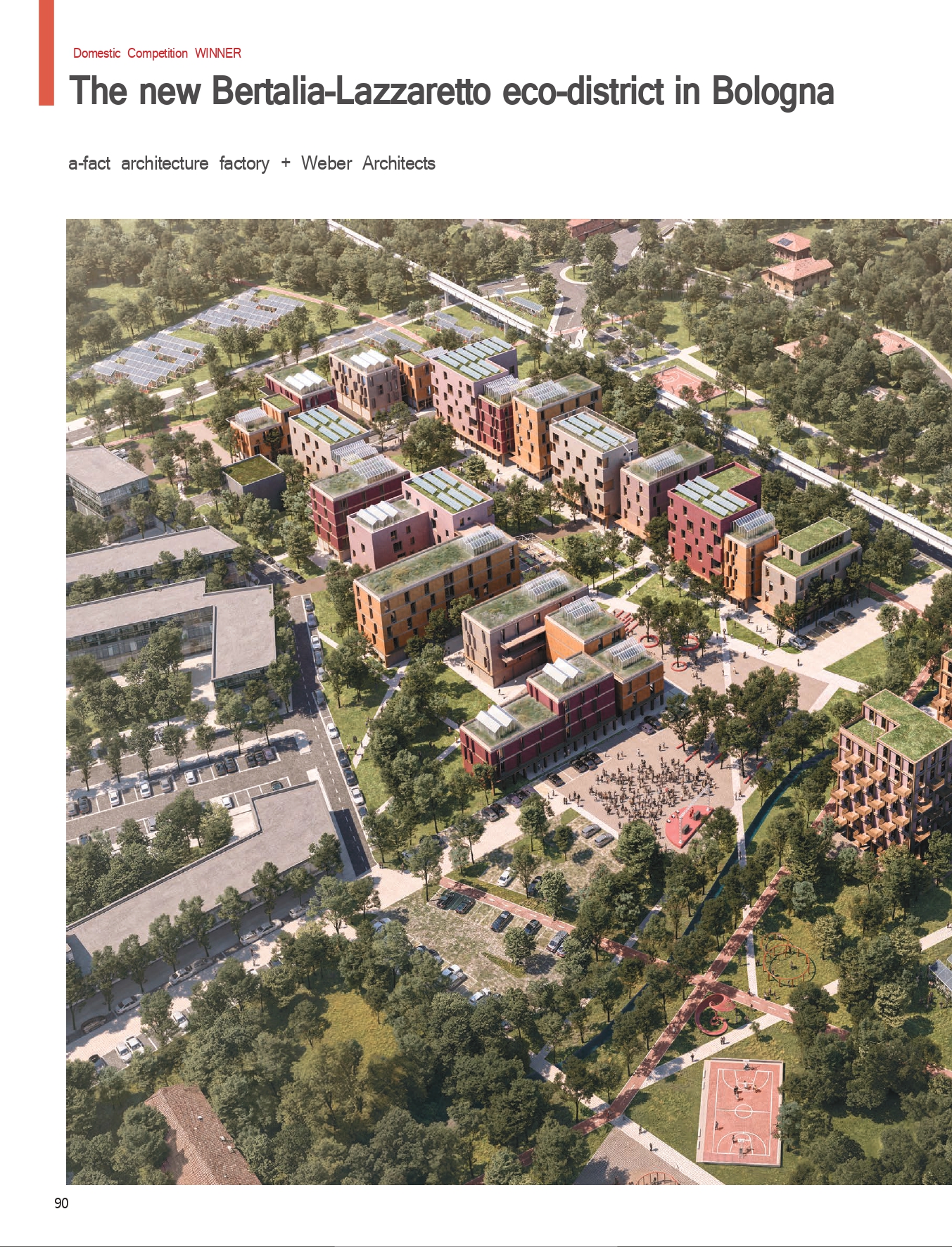
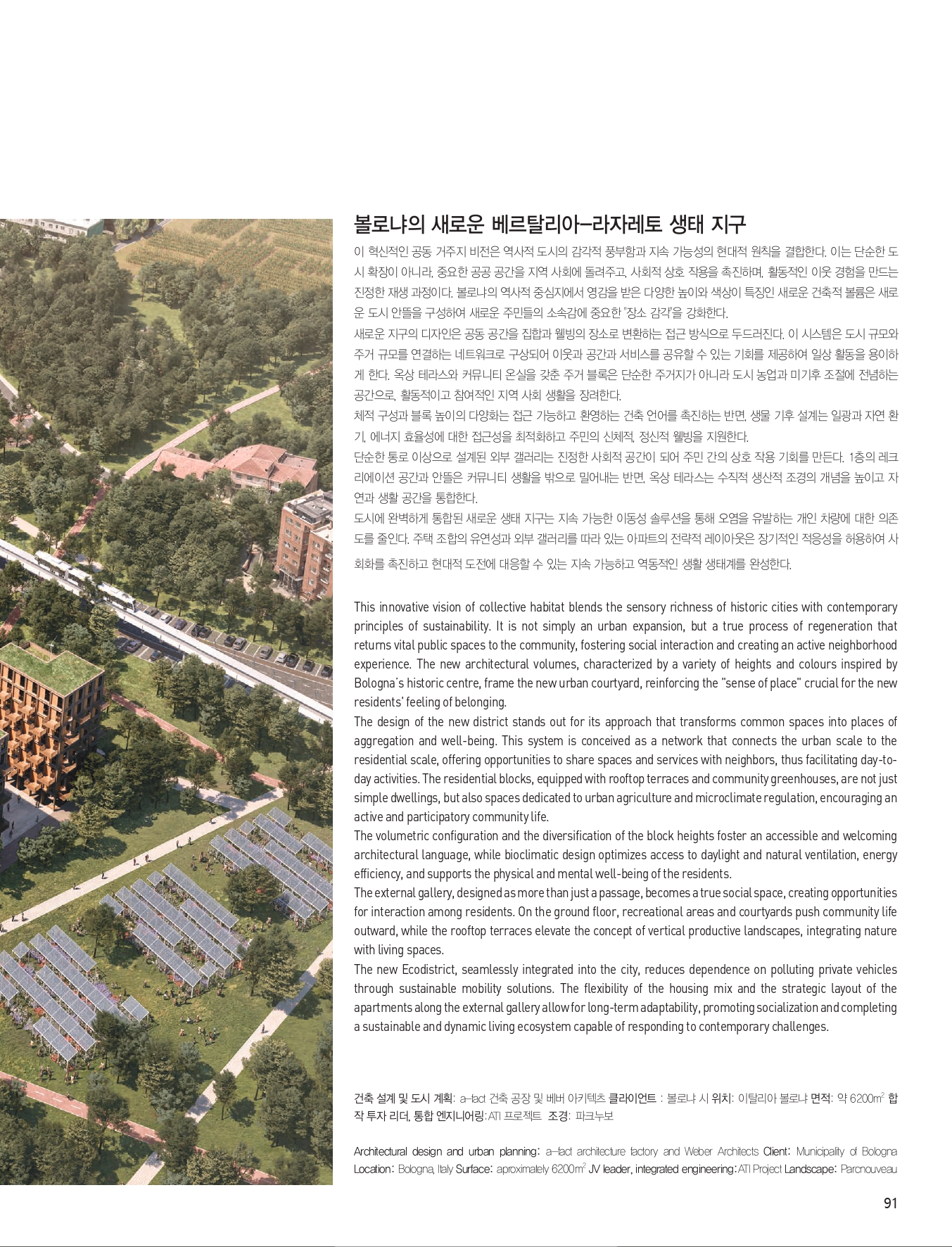
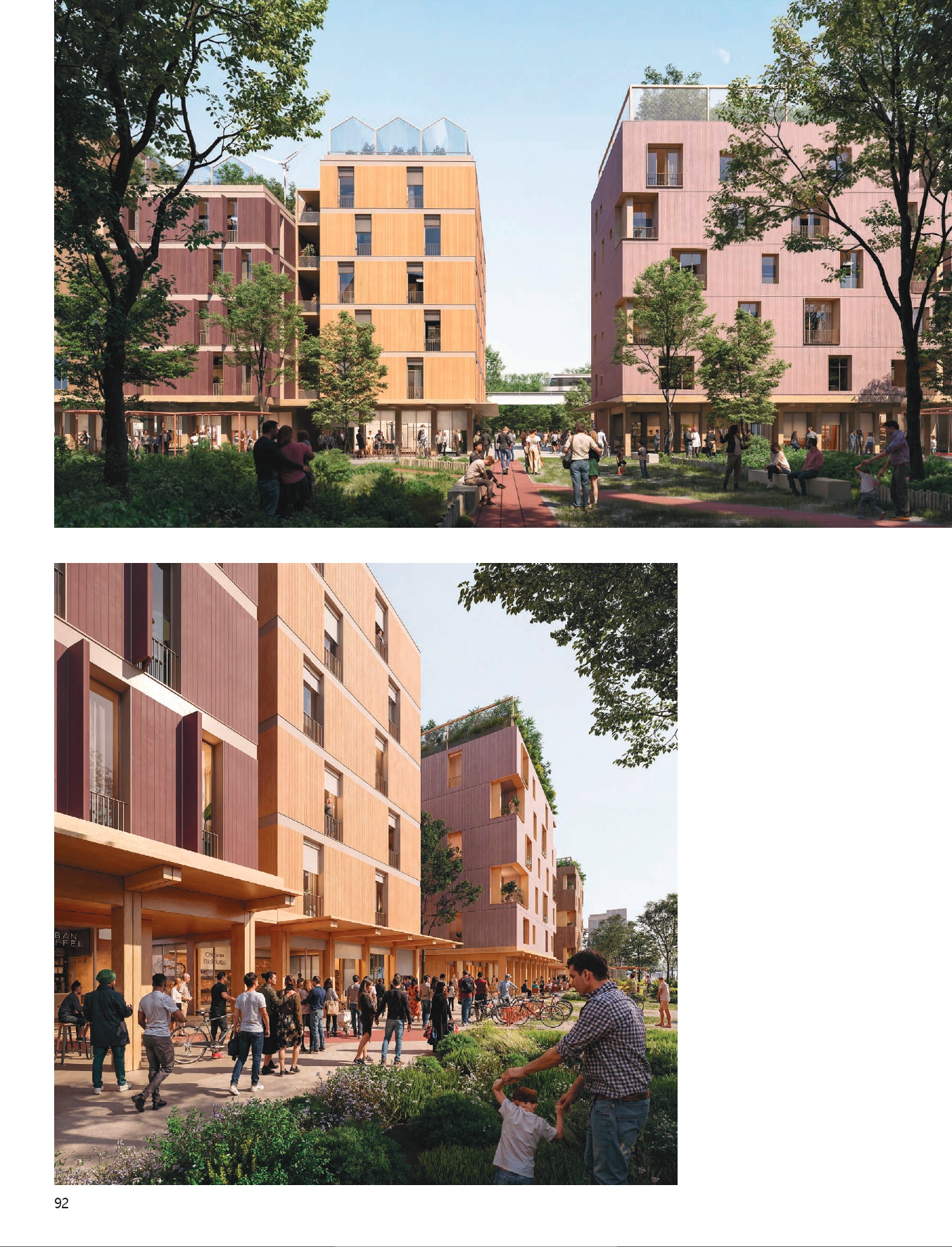
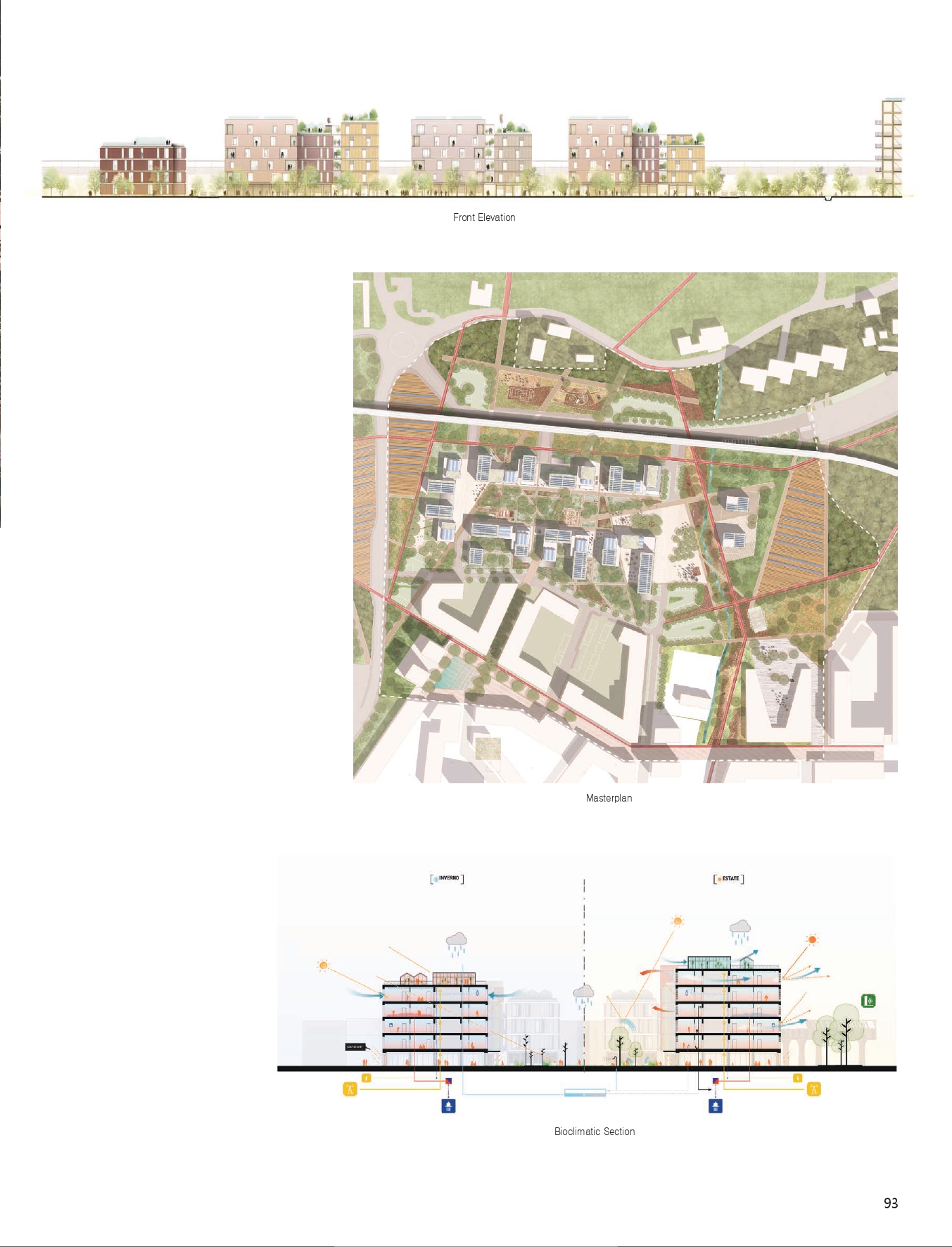
The Bertalia–Lazzaretto Eco-District in Bologna is presented in CONCEPT Magazine (Issue 311), the South Korea–based international architecture and design journal, as an exploration of how contemporary architecture can shape new forms of collective living.
Designed by a-fact architecture factory an Weber Architects with , ATI Project and Parcnouveau, the project proposes an urban habitat where environmental performance, social interaction and spatial flexibility are embedded within a unified architectural framework.
Rather than positioning sustainability as a technical objective alone, the design integrates bioclimatic strategies, shared spaces and adaptable housing typologies into the evolution of the urban form, reinforcing the relationship between the city scale and everyday life.
Through courtyards, galleries, rooftop landscapes and community-oriented infrastructures, the Bertalia–Lazzaretto Eco-District outlines a resilient and inclusive model of urban regeneration, capable of responding to environmental challenges while fostering a strong sense of place and belonging.